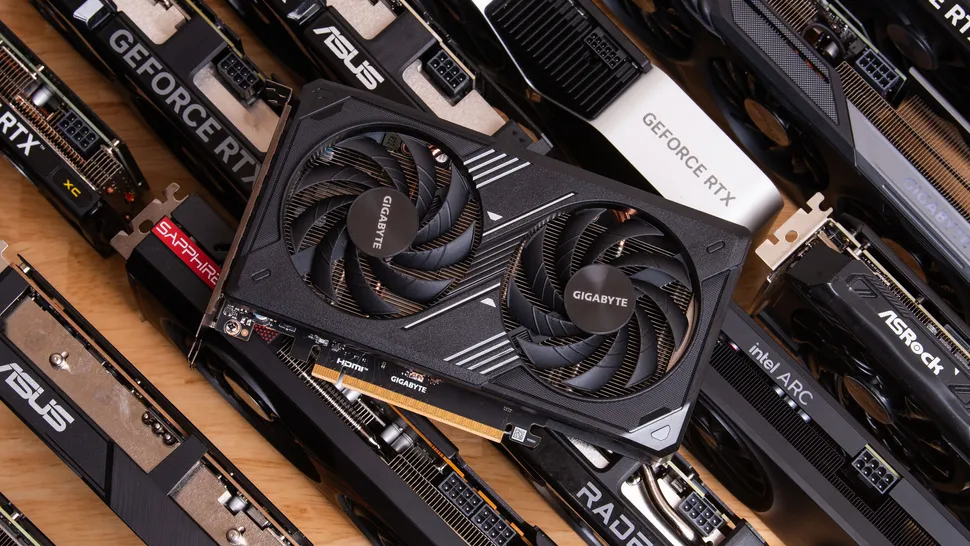
Find the Best GPU: A Look at Online Product Listings
In today's digital age, the quest to upgrade or build a new PC often leads enthusiasts and casual users alike to one crucial component: the Graphics Processing Unit (GPU). Whether you're a hardcore gamer seeking the highest frame rates, a creative professional needing rendering power, or simply looking to enhance your system's visual capabilities, the decision to buy graphic cards online is a significant one. The internet offers an unparalleled array of choices, competitive pricing, and the convenience of shopping from anywhere. However, with this vast selection comes the challenge of navigating countless product listings to identify the perfect GPU for your needs and budget. This article will guide you through the intricacies of understanding online product pages, ensuring you make an informed decision when it's time to purchase your next video card.
The Digital Frontier: Why Buy Graphic Cards Online?
The allure of purchasing graphic cards online stems from several undeniable advantages. Firstly, the sheer breadth of selection available at your fingertips far surpasses what any single brick-and-mortar store can offer. Online retailers like Best Buy, Amazon, Newegg, and manufacturer-specific storefronts present hundreds of models from various brands, ensuring you can find even niche components. Secondly, competitive pricing is a major draw. The digital marketplace fosters intense competition among sellers, often resulting in better deals, flash sales, and price matching, making it an ideal environment to find excellent value when you aim to buy graphic cards online. Lastly, the convenience is unmatched. You can research, compare, read reviews, and make a purchase 24/7, without leaving your home.
However, this convenience also necessitates a sharper eye for detail. Unlike a physical store where you might ask a sales associate for advice or physically inspect a product, online shopping demands that you become adept at deciphering product descriptions, specifications, and user feedback. Understanding what truly matters on a product listing page is key to unlocking the benefits of the online marketplace and avoiding potential disappointments.
Decoding Online Product Listings: What to Look For
When you browse online stores to buy graphic cards online, each product listing is packed with information. Knowing which details are crucial and which are secondary will streamline your decision-making process.
Key Specifications: The Numbers Game
The heart of any GPU product page lies in its technical specifications. These are non-negotiable details that directly impact performance:
- GPU Model and Series: This is your starting point. Look for terms like "NVIDIA GeForce RTX 4070" or "AMD Radeon RX 7800 XT." The series number (e.g., 4000 series, 7000 series) indicates its generation, while the subsequent numbers (e.g., 70, 80) denote its performance tier within that generation. Generally, higher numbers within a series mean better performance.
- VRAM (Video Random Access Memory): Often listed as "8GB GDDR6X" or "16GB GDDR6." This determines how much data the GPU can store for rendering textures and complex scenes. For modern gaming at 1440p or 4K, or for professional tasks like video editing, higher VRAM (12GB+) is often preferred. The type (GDDR6, GDDR6X, HBM2/3) also indicates speed.
- Core/Boost Clock Speed: Measured in MHz, these numbers indicate how fast the GPU's processor cores operate. A higher boost clock generally translates to better performance, especially in demanding applications. Look for variations between different custom cards of the same GPU model.
- CUDA Cores (NVIDIA) / Stream Processors (AMD): These are the processing units within the GPU that perform calculations. More cores typically mean more raw processing power. While a direct comparison between NVIDIA's CUDA cores and AMD's Stream Processors isn't straightforward due to architectural differences, knowing these counts helps differentiate models within the same brand.
- Cooling Solution: Graphics cards generate significant heat. Online listings often detail the cooling system – number of fans (dual-fan, triple-fan), heatsink design, and sometimes even liquid cooling options. A robust cooling solution is vital for sustained performance and longevity.
- Power Connectors and PSU Requirements: GPUs require dedicated power from your Power Supply Unit (PSU). Product pages will specify the required PCIe power connectors (e.g., 8-pin, 12-pin, 16-pin) and often recommend a minimum PSU wattage. Ensure your current PSU can meet these demands.
- Dimensions and Form Factor: Always check the card's length, height, and width to ensure it fits comfortably within your PC case. Some high-end cards can be quite large and thick, occupying multiple expansion slots.
Brand and Manufacturer Variations
While NVIDIA and AMD design the core GPU chips, various Add-in Board (AIB) partners like ASUS, MSI, Gigabyte, Sapphire, XFX, EVGA, Zotac, and PNY produce the actual retail graphics cards. When you buy graphic cards online, you'll notice many versions of the same core GPU (e.g., an ASUS ROG Strix RTX 4070 vs. an MSI Ventus 3X RTX 4070). These variations often include:
- Custom Coolers: AIB partners design their own cooling solutions, which can vary significantly in efficiency, noise levels, and aesthetics.
- Factory Overclocks: Many custom cards come with a slight factory overclock, offering a minor performance boost out of the box.
- Build Quality and Components: Some brands use higher-quality components (e.g., power phases) that can improve stability and longevity.
- Aesthetics: RGB lighting, shroud design, and backplate aesthetics vary widely, allowing you to choose a card that matches your build's look.
- Software and Features: Specific software utilities for monitoring, overclocking, and RGB control are often bundled by manufacturers.
For a deeper dive into the core technologies, you might find Exploring NVIDIA and Other GPUs for Online Purchase a valuable resource.
Price, Reviews, and Warranty
Beyond the technical jargon, three practical aspects are paramount:
- Price: Compare prices across multiple reputable retailers. Prices for the same GPU model can fluctuate significantly between different AIB partners and even different sellers. Use price comparison tools if available.
- User and Expert Reviews: Don't underestimate the power of reviews. User reviews can highlight common issues, real-world performance experiences, and customer service satisfaction. Expert reviews from tech websites offer in-depth benchmarks, thermal performance analysis, and value assessments.
- Warranty and Return Policy: Always check the manufacturer's warranty period (usually 2-3 years) and the retailer's return policy before you buy graphic cards online. Understand the terms for returns, exchanges, and dead-on-arrival (DOA) products.
Navigating the Online Marketplace: Best Practices for Buying Graphic Cards Online
Successfully acquiring your ideal GPU online isn't just about reading specifications; it's also about smart shopping practices.
Choosing Reputable Retailers
When you're ready to buy graphic cards online, sticking to well-known and reputable retailers is crucial. Major players like Best Buy, Amazon, Newegg, Micro Center, and direct manufacturer stores (e.g., NVIDIA's own store) offer a higher degree of security, reliable shipping, and better customer support. While third-party sellers on marketplaces can offer competitive prices, always verify their seller ratings and reviews. Be wary of deals that seem too good to be true, as they often are.
Filtering and Comparison Tools
Online stores typically provide robust filtering options. Utilize these to narrow down your choices by:
- Brand: NVIDIA or AMD.
- Price Range: Set your budget limits.
- VRAM: Filter for minimum VRAM requirements.
- Series/Generation: Focus on current or recent generations for optimal performance and driver support.
- Retailer-Specific Features: Some sites allow filtering by specific AIB partners, cooling types, or even specific gaming bundles.
After filtering, use comparison tools offered by retailers or third-party websites to put GPUs side-by-side, making it easier to spot differences in specs and pricing. Keep an eye on stock levels, as popular models can sell out quickly.
Avoiding Pitfalls
The online marketplace, while convenient, also has its downsides. Here are some pitfalls to avoid:
- Scams and Counterfeits: Be extremely cautious on less reputable sites or with sellers offering suspiciously low prices. Verify the seller's legitimacy, look for secure payment options, and ensure the product image matches the description.
- Overpriced Listings: During periods of high demand or supply shortages, some sellers (often referred to as "scalpers") may list GPUs at significantly inflated prices. Research the Manufacturer's Suggested Retail Price (MSRP) to avoid overpaying. Patience can often save you hundreds.
- Refurbished vs. New: Clearly differentiate between new and refurbished units. While refurbished cards can offer savings, ensure they come with a warranty and are from a reputable source.
- Inadequate Research: Don't rush your purchase. A graphics card is a significant investment. Take the time to compare benchmarks, read reviews, and confirm compatibility with your existing system (PSU, case, motherboard).
For more detailed strategies on safe and efficient online shopping, you might find our article Navigating Online Stores for Your Next Graphics Card to be a helpful companion.
The journey to buy graphic cards online is an exciting one, full of potential for finding the perfect component to power your digital experiences. By meticulously examining online product listings, understanding the nuances of specifications, and adopting smart shopping habits, you can confidently navigate the vast online marketplace. Remember, an informed buyer is a happy buyer. Take your time, do your research, and you'll soon be enjoying the enhanced performance of your new GPU.